

『Ek Flow Meter Custom Loop Setup: Liquid Cooling Monitoring Guide』Related information(v cone flow meter|rotary gas meter|gallon meter|gear meter|metal tube rotameter|glass tube rotameter|nutating disk meter|transit time ultrasonic flow meter|wedge flow meter|pd meters|hydraulic flow meter|ultrasonic water flow meter|water flow meter|air flow meter|magnetic water flow meter|oxygen flow meter|gas flow meter|argon flow meter|air velocity meter|gasoline flow meter|fuel flow meter|ultrasonic water meter|digital water meter|nitrogen flow meter|solid flow meter|Oxygen tank flow meter|digital water flow meter|diesel fuel flow meter|steam flow meter|02 flow meter|compressed air flow meter|oil flow meter|liquid flow meter)
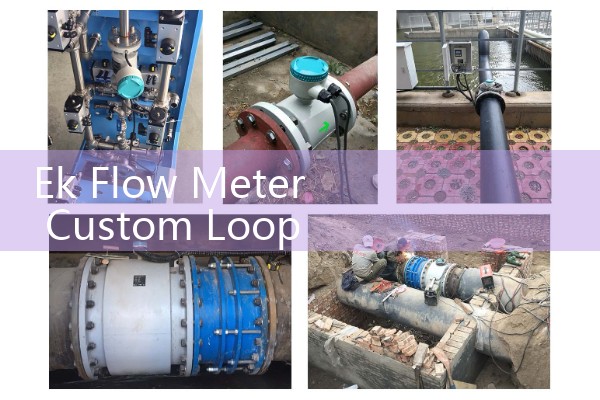
EK Flow Meter Custom Loop Setup: Liquid Cooling Monitoring Guide
Quick Answer: Liquid Cooling Flow Monitoring Basics
For a liquid cooling loop, install a flow meter on the pump discharge line before the heat exchanger. Use DN15 or DN10 for small cooling circuits. Electromagnetic flow meters need coolant conductivity above 5 µS/cm. Vortex or thermal mass meters suit deionized water and low conductivity fluids. Send your pipe size, coolant type, flow range, temperature, and pressure to Silver Automation Instruments for a quote.
Why Liquid Cooling Loops Need Flow Monitoring
A 15 percent drop in coolant flow can reduce cooling capacity by more than 20 percent in closed loops. Blocked cold plates, pump wear, and trapped air show up as flow changes before temperature alarms. In industrial cooling for injection molding, chemical reactors, and server rooms, a flow meter gives early warning. Most engineers skip continuous flow monitoring until a batch overheats. A flow switch only shows if liquid is moving. It cannot show a slow decline. A meter with 4-20 mA output sends a real value to the PLC for trending and maintenance.
Meter Selection for Custom Cooling Loops
Most custom loops use DN10, DN15, or DN20 pipe. Match the meter body to the actual line size. For coolant at 20 to 50 °C and 1 to 5 cP viscosity, full bore meters keep pressure drop below 100 mbar at nominal flow.
Electromagnetic flow meters from Silver Instruments work well for water and water glycol mixtures. The coolant must have conductivity above 5 µS/cm. High purity coolants and deionized water often fall below this level. For low conductivity fluids choose a vortex or thermal mass flow meter. Vortex meters also measure temperature with an integrated PT100 sensor. Thermal mass meters suit low flow rates and low conductivity coolants. Do not use an oval gear meter for dirty coolant with particles. Solids can jam the gears.
Custom Loop Setup and Installation Details
Install the meter on the pump discharge side before the heat exchanger. This gives a direct reading of coolant moving to the heat load. Avoid pump suction lines. Negative pressure releases dissolved gas and causes unstable readings.
Respect straight pipe runs. For a vortex meter, keep 15D upstream and 5D downstream. For an electromagnetic meter, 5D upstream and 3D downstream is enough. D means nominal pipe diameter. A DN15 electromagnetic meter needs 75 mm of straight run upstream. Use a vertical upward section if possible. This keeps the pipe full and lets bubbles rise away from the sensor.
Add an air bleed valve at the high point of the loop. Fill the system slowly. Trapped air is the most common cause of unstable signals on customer sites. A customer in Vietnam used a DN15 electromagnetic meter on a plastic extrusion cooling bath. The signal dropped to zero after every pump stop because of an air pocket in a horizontal pipe. After moving the meter to a vertical riser and adding a bleed
Common Field Problems and How to Fix Them
Bubbles cause readings to jump. Bleed air and add back pressure at the meter outlet. Non full pipe flow causes signal loss in magnetic meters. Install the meter in a vertical upflow section. Low conductivity coolant causes drift or cutout. Measure conductivity and switch to vortex or thermal if it is below 5 µS/cm. Vibration from pumps can disturb vortex shedding. Add pipe supports and avoid mounting the meter directly on a pump flange.
Recommended Silver Instruments Flow Meters
Silver Automation Instruments supplies the SIA-EMF electromagnetic flow meter from DN10 to DN200. For DN15 cooling circuits, choose PTFE lining and 316L electrodes. Output is 4-20 mA HART. Accuracy is 0.5 percent of reading. This model needs conductivity above 5 µS/cm.
The SIA-VF vortex series suits low conductivity coolants from DN15 to DN300. It can include a PT100 temperature sensor. Use it for water glycol, deionized water, or fluorinated coolants. Output options include 4-20 mA, pulse, and HART.
For very low flow rates, the SIA-TMF thermal mass meter fits DN10 to DN50 lines and detects flow rates as low as 0.05 m/s. It suits test benches and small cooling loops with low conductivity fluid.
How to Request a Quote for Your Cooling Loop Meter
Send your pipe size in DN, coolant type, flow range in L/min or m3/h, temperature in °C, pressure in bar, and required output. Include coolant conductivity in µS/cm if known. This helps Silver Automation Instruments recommend the right meter for your custom loop setup.
Call +86-25-68650347 or reach us on WhatsApp at +86-25-52155837. WeChat is +86 15365082610. Silver Instruments supports customers in Southeast Asia, Oceania, Latin America, Africa, and the Middle East.
FAQ: Five Key Questions About Liquid Cooling Flow Meter Setup
Can I use an electromagnetic flow meter with deionized water? Only if conductivity stays above 5 µS/cm. High purity deionized water often has lower conductivity. Choose a vortex or thermal mass meter for that case.
What pipe size is typical for a custom cooling loop? DN10, DN15, and DN20 are most common in small and medium loops. Match the meter size to the existing line to avoid added pressure drop.
Where is the best place to install the flow meter? On the pump discharge line before the heat exchanger. Use a vertical upward section if possible. This keeps the meter full and reduces air bubble errors.
What output signal should I choose? Use 4-20 mA HART if you connect to a PLC or control system. Pulse output works for totalizing. HART allows remote configuration and diagnostics.
How do I reduce air bubbles in a custom cooling loop? Fill the loop slowly. Install an air bleed valve at the high point. Keep the meter in a vertical rise or low point with back pressure. Avoid pump suction installation.
 Hot Blog
 Related AD